
On the experiences that stay with us, the culture of silence surrounding reproductive trauma, and what healing can look like.
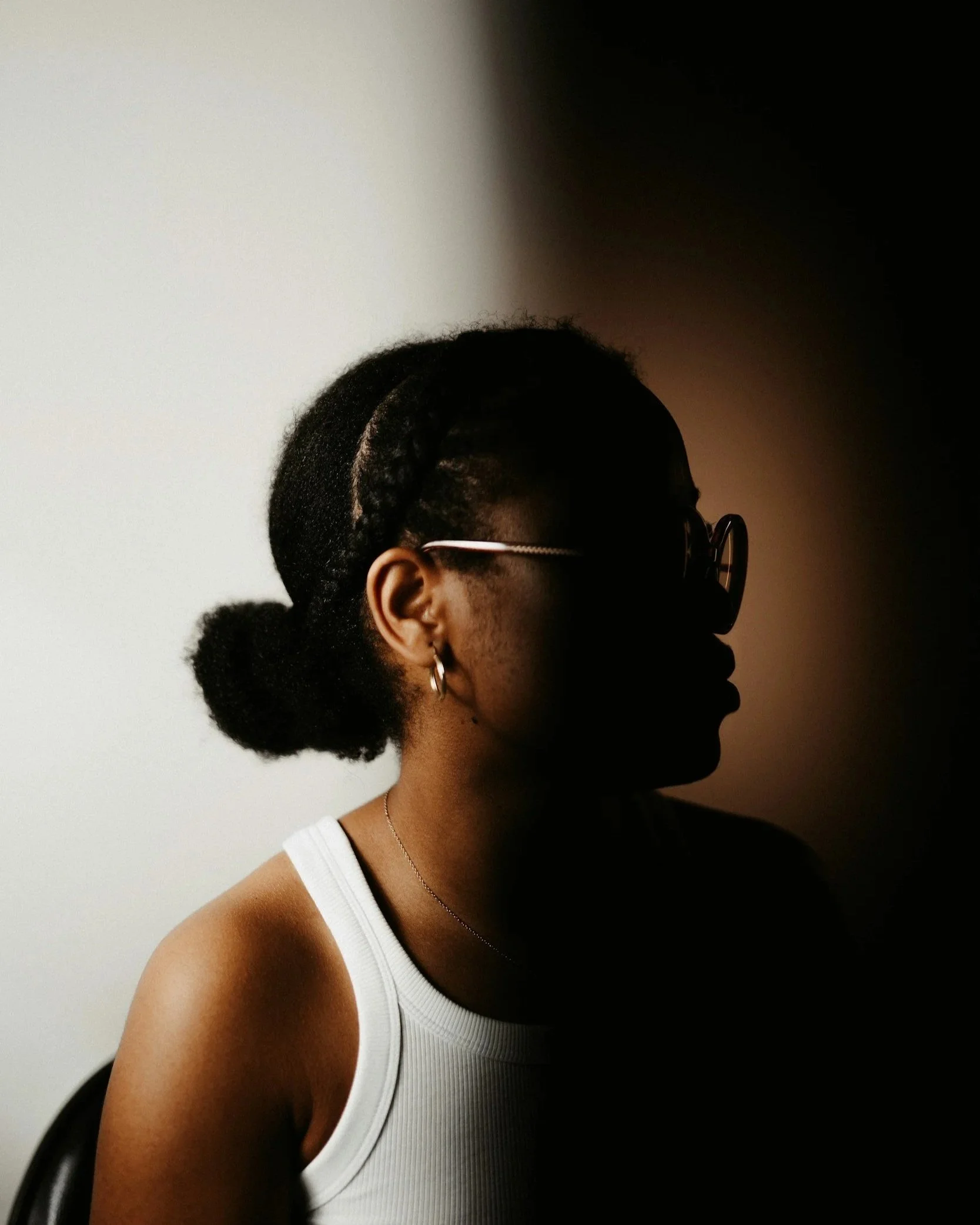
Some experiences don’t end when they’re over.
Maybe it was a pregnancy that was medically uncomplicated but emotionally devastating. Or a moment during your birth when nobody listened when you said no. The endless fertility treatments that gave you your baby but took a massive toll on your mental health, or the back-to-back pregnancy losses that made you feel broken, or a diagnosis that completely shattered your relationship with your body.
Maybe you’ve been told that everything turned out fine and you’re in good health. Maybe you’ve been met with statements that “at least you survived”, that “you can always try again”, or that “you should be so grateful for your baby / your body / your health!” And maybe you’ve told yourself those things, too. But knowing you should be okay and actually feeling okay are two very different things.
So what if that one experience you still struggle to talk about because you're not sure whether it was bad enough to count as trauma… actually was traumatic?
We can start to make space for these experiences by naming what they are: Reproductive trauma.
What is reproductive trauma?
Reproductive trauma is an umbrella term for the emotional and psychological impact of distressing experiences involving our reproductive health, fertility, pregnancy, birth, and bodily autonomy.
It can involve a single experience or the cumulative weight of many experiences over time- like ongoing fertility treatments or an emotionally unsafe relationship. It can happen in a doctor's office, a delivery room, a fertility clinic, your home, or in your bed. And it doesn't always look the way we expect trauma to look.
Reproductive trauma can include: (Note that this list isn't exhaustive- trauma doesn't always fit neatly into categories.)
Birth trauma: unexpected complications, NICU stay, physical injuries to infant or birthing person, an unplanned cesarean, experiences of obstetric violence, or perceived loss of control or feeling powerless during labor.
Obstetric violence: nonconsensual procedures, having your pain ignored or your concerns dismissed, feeling pressured or coerced, threatening CPS or legal involvement, or not having your boundaries or autonomy respected by medical staff.
Pregnancy loss: miscarriage, recurrent pregnancy loss, stillbirth, ectopic pregnancy, termination for medical reasons, or being denied proper medical care due to restrictive laws.
Difficult fertility journeys: infertility, unsuccessful fertility treatments, financial losses, and not being able to build your family how you’d imagined.
Abortion and reproductive decisions: abortion-related trauma, being denied an abortion, or being pressured or coerced into a decision you didn't want to make.
Sexual and relationship trauma: sexual assault, intimate partner violence, emotional abuse, harassment, or experiences in which your bodily autonomy was violated.
Medical trauma: invasive procedures, medical gaslighting, dismissal of symptoms, unexpected hysterectomy, or experiences of discrimination or mistreatment in healthcare.
Not everyone who experiences a miscarriage, difficult birth, unplanned cesarean, or reproductive health challenge will experience trauma. But these experiences can have a lasting emotional impact, especially when they involve fear, powerlessness, distress, or a loss of control.
Trauma isn't a competition, and you don't have to prove that your experience was bad enough to deserve support. You don't need a particular diagnosis or even the word trauma to describe what happened. If an experience continues to affect how you feel about yourself, your body, or your relationships, that's worth paying attention to.
Why don't we talk about reproductive trauma?
We have conversations about postpartum depression, birth plans, infertility, pregnancy loss, and the importance of taking care of ourselves during pregnancy. But we don't always talk about what happens when these experiences leave us feeling hurt, violated, or fundamentally changed.
Why might that be?
We're taught to normalize suffering.
Periods are supposed to hurt. Pregnancy is hard. Birth is painful and unpredictable. Miscarriage is common. There's often an unspoken expectation that people born with uteruses should simply accept suffering as part of the deal.
And here's the thing: something can be common and still be devastating. A medical intervention can be necessary and still be frightening. You can love your child and and still feel traumatized by their birth. You can understand logically that a pregnancy loss wasn't your fault and still struggle with guilt.
You can hold two (or more) feelings at the same time. You don't have to be grateful for the outcome to acknowledge the harm you experienced along the way.
We tend to treat reproductive experiences as private matters.
On a societal level, we're not encouraged to talk openly about miscarriages, abortions, infertility, menstrual health, sexual violence, or the not-so-great feelings about pregnancy and parenthood. Sometimes we stay quiet because we're afraid of judgment, and other times we simply don't have the language to explain what we're feeling.
When our experiences don't fit the expected narrative- the joyful pregnancy announcement, the empowering birth, the uncomplicated, un-messy path to parenthood- it can feel as though there's no place for our stories. This can be particularly true for LGBTQ+ families, people navigating infertility or donor conception, survivors of sexual violence, and those whose reproductive paths are shaped by racism, financial barriers, or restrictive policies.
When the stories we hear don't reflect our own, it's easy to believe we're the only ones struggling. But we're not.
We have a narrow definition of trauma.
When people hear the word trauma, they usually think of a catastrophic event or something that threatens their life. But reproductive trauma can be much less visible.
Maybe you feel anxious every time you have a doctor’s appointment. Maybe you dodge conversations about pregnancy because they bring too many feelings. Maybe you struggle with intimacy or self-worth. Maybe you have complicated feelings around celebrate an experience that was painful for you, like your child’s birthday.
Trauma, by definition, is subjective. There isn't one universal response to difficult reproductive experiences. Yes, some people develop PTSD or other diagnosable mental health challenges, but you don't have to be having flashbacks or panic attacks for your experience to matter. And you don't have to label an experience as traumatic before you're allowed to talk about how it affected you.
Does my experience count as trauma?
If you're wondering whether your unplanned cesarean was traumatic, or you had an early miscarriage years ago and still feel upset when someone announces a pregnancy, or you're questioning whether what happened was really that bad because other people seem to have moved on…
Here's what I want you to know: the impact of an experience matters more than whether it fits someone else's definition of trauma.
You might notice:
Guilt, shame, fear, anger, or feelings of isolation.
Struggling to feel safe in your body.
Avoiding reminders of what happened.
Anxiety or fear of going near the hospital, clinic, or place where everything happened.
Nightmares, intrusive thoughts, unwanted memories, or flashbacks.
Changes in your relationship with sex, body image, worldviews, or core identity.
Sleep disturbances or always feeling alert or on-edge.
Wanting to move forward but feeling stuck in the past.
These are all signs of trauma. Regardless of clinical PTSD criteria or how others label it- if something from your past continues to affect your present, YOU are the ultimate author of your story, and you can label your experience in a way that feels most authentic to you.
Healing from Reproductive Trauma
Healing isn't about forgetting what happened, finding a silver lining, or convincing yourself it wasn't that bad. It's about making space for the grief, anger, fear, and complicated emotions you're carrying, without feeling like you have to justify them or rush through them.
A reproductive therapist can help you process your experience, rebuild trust and safety in your body, and navigate its impact on your relationships and identity. And healing looks different for everyone. It might mean setting boundaries, honoring your story through writing or rituals, or learning to hold joy and grief at the same time.
You don't have to minimize what happened to move forward. You deserve support that honors your story, respects your autonomy, and meets you where you are.
Looking for Support?
At Full Spectrum Nola, I offer affirming, trauma-informed therapy and doula care for people navigating pregnancy, postpartum, reproductive grief, trauma, and the many experiences that shape our relationships with our bodies and our identity.
Whether you're processing something that happened years ago, navigating a current reproductive challenge, or preparing for what comes next, you deserve support that honors your story without minimizing what you've been through.
You don't have to fit a particular definition of trauma, parenthood, or healing to deserve care.
Learn more about therapy for sexual and reproductive trauma with Full Spectrum Nola.
This article is for educational purposes and is not a substitute for individualized medical or mental health care.